
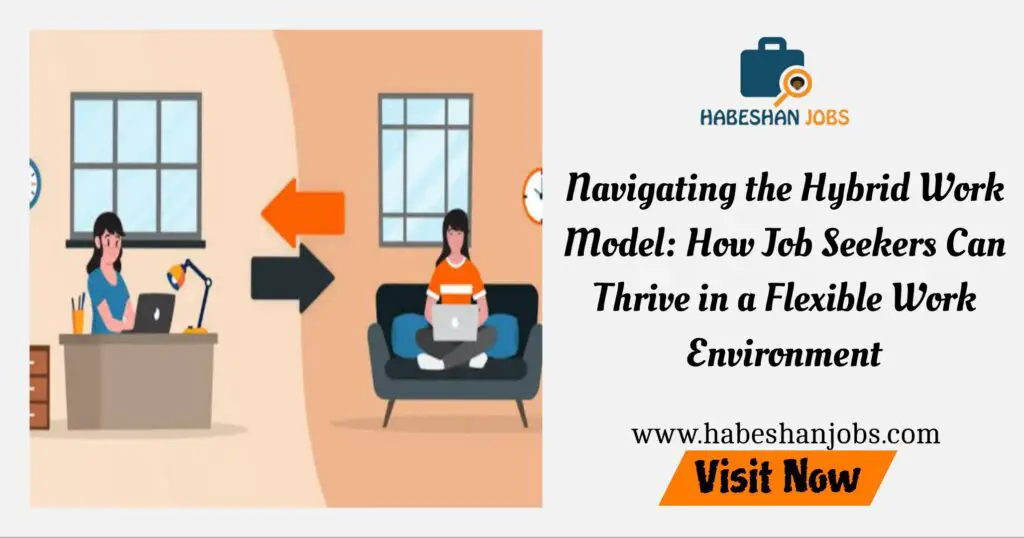
The hybrid work model is no longer a passing trend—it’s the future of how we work. With companies embracing flexible schedules, remote-first strategies, and in-person office days, the modern workforce is adapting to a new way of thinking about productivity, collaboration, and work-life balance.
As a job seeker, understanding how to navigate and thrive in this hybrid world is essential. Whether you’re looking for a fully remote position or a flexible arrangement that allows you to work both from home and the office, hybrid work opportunities are becoming more prevalent—and knowing how to present yourself as a top candidate in this evolving landscape will make all the difference.
What is the Hybrid Work Model?
Before we dive into how to thrive in a hybrid work environment, let’s break down what hybrid work actually means. Simply put, hybrid work combines both in-office and remote work arrangements. The exact balance varies by company and role, but the general idea is to offer employees flexibility in how and where they work.
For some, hybrid work might mean coming into the office two days a week and working remotely the rest of the time. For others, it might be more flexible, allowing employees to choose their work environment based on personal preferences or job demands. Some companies are fully remote-first, with occasional in-person team gatherings.
Why Hybrid Work is Here to Stay
The rise of hybrid work didn’t happen overnight. The COVID-19 pandemic acted as a catalyst, pushing many businesses to rapidly adopt remote work. Since then, it has become clear that flexible work arrangements offer significant benefits for both employees and employers.
Benefits for Employees
- Work-Life Balance: Hybrid work allows employees to enjoy greater flexibility, whether they want to spend more time with family, manage personal errands, or create a more comfortable work environment at home.
- Increased Productivity: Many employees report higher productivity when working remotely, as they can create a workspace that suits their needs, avoid long commutes, and eliminate office distractions.
- Reduced Stress: The ability to manage one’s schedule and reduce commuting time can contribute to lower stress levels, leading to better overall well-being.
Benefits for Employers
- Access to a Broader Talent Pool: Hybrid work opens up the possibility of hiring talent from a wider geographical area, allowing companies to tap into a more diverse range of candidates.
- Cost Savings: With fewer employees in the office every day, businesses can save on office space, utilities, and other in-office costs.
- Better Employee Retention: Offering flexibility and a work environment that prioritizes well-being can improve employee satisfaction and retention rates.
Given these benefits, it’s no surprise that hybrid work is expected to continue growing in popularity in 2024 and beyond.
How Job Seekers Can Stand Out in a Hybrid Work Market
If you’re on the job hunt in 2024, hybrid work opportunities might be exactly what you’re looking for. However, to land a hybrid role, you’ll need to demonstrate that you have the skills, mindset, and flexibility required to succeed in this type of work environment. Here’s how to position yourself as an ideal candidate:
1. Emphasize Your Self-Discipline and Time Management Skills
In a hybrid work setting, you may not have a supervisor looking over your shoulder every minute, which means your ability to manage your time effectively becomes even more important. Employers are looking for candidates who can stay productive without constant oversight and can manage their own schedules.
How to highlight this in your job search
- Provide examples in your resume and interviews of how you’ve successfully managed projects or deadlines in previous roles with minimal supervision.
- Mention tools you’ve used to manage your tasks, such as project management software (e.g., Trello, Asana, or Slack), and how you stay organized while working remotely.
2. Showcase Your Communication and Collaboration Skills
Hybrid work environments rely heavily on strong communication and collaboration tools, such as video conferencing, chat apps, and collaborative document editing. If you want to succeed in a hybrid workplace, you’ll need to be proficient with these tools and demonstrate that you can communicate effectively, both in virtual meetings and through written correspondence.
How to showcase these skills
- Mention specific communication tools you’ve used, like Zoom, Microsoft Teams, Google Meet, or Slack, and explain how you’ve used them to stay in touch with your team, clients, and managers.
- Provide examples of successful team projects where collaboration was key, and describe how you contributed to the project despite working remotely.
3. Highlight Your Adaptability
Hybrid work means change. Employers want candidates who are flexible and can quickly adapt to changing work environments. Whether it’s adjusting to new digital tools or shifting between in-person and remote work depending on the week, adaptability is essential in a hybrid role.
How to show your adaptability
- Share experiences of adjusting to new tools or workflows in previous roles. Did you successfully onboard a new software program? Did you thrive during a transition from office to remote work?
- Explain how you’re comfortable with shifting between in-office and remote work and how you manage to stay productive in both environments.
4. Demonstrate Your Comfort with Technology
Hybrid work relies heavily on technology, from cloud storage to video conferencing and everything in between. To be successful in a hybrid environment, you must be comfortable using a variety of digital tools and systems.
How to demonstrate your tech-savviness
- Highlight specific tools and platforms you’ve used for remote work, such as Google Drive, Zoom, Microsoft Office, or project management software.
- Show your willingness to learn new tools. Hybrid environments are often dynamic, and employers want candidates who are open to adopting new technologies as they emerge.
5. Communicate Your Desire for Flexibility
When applying for hybrid roles, it’s important to communicate that you understand the value of flexibility in the workplace. Whether you prefer working from home, in the office, or a mix of both, demonstrating your alignment with a company’s hybrid work policy can help you stand out.
How to express this
- Be honest about your preferences regarding hybrid work during interviews, while also showing that you’re flexible. If you have a preference for remote work but are open to office time as needed, be upfront about it.
- Discuss your ability to work autonomously and in teams—emphasizing that you thrive in both settings will show your potential employer that you’re adaptable to the hybrid model.
6. Prepare for Hybrid Interviews
Hybrid interviews (a mix of in-person and virtual) are becoming more common as well. You may be asked to attend an in-person interview for part of the process but participate in a virtual interview for the rest. Knowing how to navigate both formats is essential.
Interview preparation tips
- For virtual interviews: Test your technology ahead of time—ensure your camera, microphone, and internet connection are all working smoothly. Set up in a quiet, professional environment with good lighting.
- For in-person interviews: Be prepared to discuss how you work in both office and remote settings, and share examples of how you’ve successfully navigated hybrid or flexible work environments in the past.
Conclusion: Embrace the Hybrid Future of Work
The hybrid work model is here to stay, and job seekers who understand how to succeed in a flexible work environment will be well-positioned for success in 2024 and beyond. By showcasing your self-discipline, communication skills, adaptability, and comfort with technology, you can set yourself apart as a candidate who thrives in a hybrid world.
Are you ready to take on the challenge and embrace hybrid work opportunities? Start by exploring the latest hybrid job listings at HabeshanJobs.com, and find the perfect position that fits your skills and lifestyle!


i am intereated to work